In 2020, the BTS published new training standards for thoracic ultrasound1. These minimum training standards have been adopted by respiratory physicians and should be followed by all clinicians performing pleural procedures.
The key messages from the document are as follows:
- There are four grades of thoracic ultrasound ‘operators’: emergency, primary, advanced and expert.
- The primary operator criteria broadly align with the historic Royal College or Radiology ‘Level 1’ standards and are the minimum expected of a respiratory registrar in training. Some trainees may gain competence aligned with the advanced operator criteria later in training.
- In order to become independent as a primary thoracic ultrasound operator, you need to meet the following criteria:
- A locally delivered introductory thoracic ultrasound course (see below)
- Logbook of 10 directly observed thoracic ultrasounds demonstrating normal structures and pleural fluid
- Logbook of at least 50 further scans including at least 10 with pleural fluid and 5 normal scans (images saved and reviewed by supervisor, if not directly supervised)
- DOPS confirming you can identify a safe site for pleural intervention
- A summative DOPS confirming you meet all criteria at ‘Level 4 Primary Pathway’
- Supervisors for pleural procedures for those being trained at primary thoracic ultrasound level should be ‘Level 5 Primary Pathway’ meaning they have completed the primary pathway and have a logbook of at least 100 further procedures over at least a 2 year period. In reality, this translates to most senior registrars ST5/6+ and consultants who regularly perform pleural ultrasound.
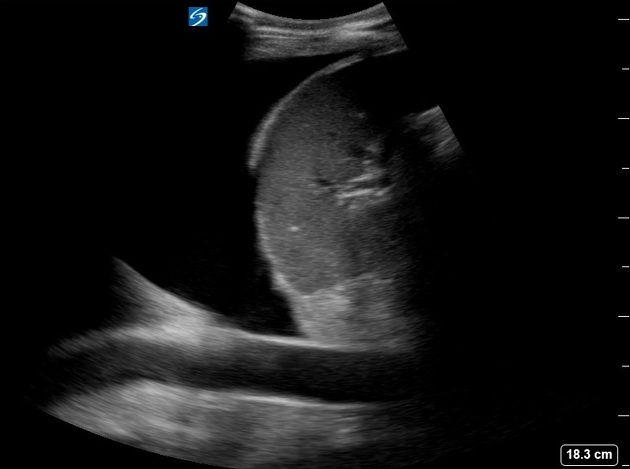
Ultrasound Courses
There are a variety of thoracic ultrasound courses which help develop the basic knowledge and skills for competence. These include:
BTS Online Thoracic Ultrasound programme: online programme which is free for members, £30 for non-members, covers the theory necessary to achieve primary operator standards.
RSM Pleural Ultrasound Course: 1 day, face-to-face, includes hands-on experience.
FAMUS (Focused Acute Medicine Ultrasound) Course: aimed at acute medics and covers thoracic ultrasound in more depth, along with abdominal and limb dopplers.
ERS Thoracic Ultrasound Certification Programme: consists of three parts to be completed over a two year period, including two online courses and a hands-on OSCE held around the same time as the ERS Congress.
References
1. Stanton AE, Edey A, Evison M, et al. British Thoracic Society Training Standards for Thoracic Ultrasound (TUS). BMJ Open Resp Res 2020;7:e000552. doi:10.1136/bmjresp-2019-000552
 HESW Respiratory